Edition: 2026-09-23. Evidence: b-star-wars helmet dossier (Tier 2), observed 2026-09-23. No verified influencer-seeding program detected; the "influencer" side here is the launch-window review consensus.
The influencer narrative
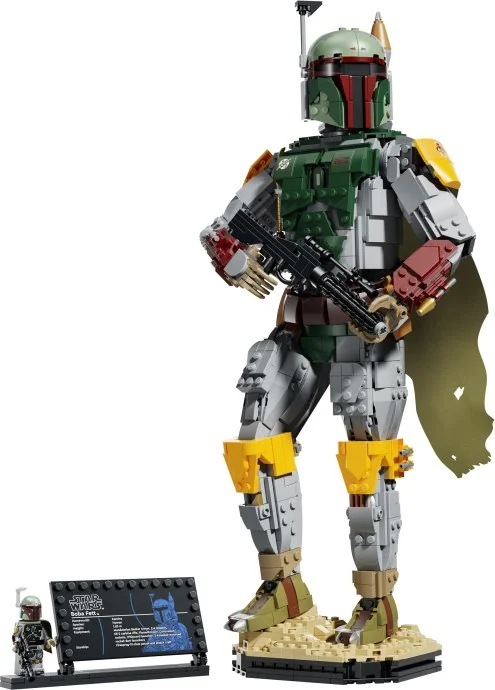
The launch-window reviews of the Boba Fett helmet were warm and forgiving. The consensus: a good-looking helmet, solid build experience, a worthy addition to the shelf — the kind of review that reads well in a thumbnail and moves units on release week. The criticisms existed but were framed as footnotes: yes, there are stickers; yes, $169.99 is a lot; but look at it. The shelf presence carried the verdict. This is the standard launch-coverage posture for a licensed display set: review the object, note the price, recommend with caveats, move on to the next embargo.
The people
The owner's reality, as captured in the 2026 Threads discourse and review comments, is harsher and more specific. The two knocks are consistent across sources and they don't fade with familiarity:
Stickers. The sticker count is the signature complaint — pieces that should have been printed weren't, on a $170 display piece. This is the same complaint that follows the Darth Vader helmet (chest, eyes, mouth), the Enterprise bridge (44), and the NINJAGO Old Town (63). It's a line-wide pattern, not a Fett-specific flaw, but Fett is where the owners said it loudest.
$169.99. The price is the second consistent knock, and it's attached to a specific buyer behavior: the community's advice is to wait for a sale or double-points event, not to buy at launch. The helmet line has a documented discount history — the Senna helmet was already at $75 against an $89.99 MSRP within the same wave — so the "wait" advice isn't speculation, it's pattern recognition.
The 2026 Threads evidence around the Star Wars line is owner-textured rather than influencer-textured: collectors debating the sets as purchases, not as content. The enthusiasm is real — the helmet line is one of LEGO's best display values — but it's conditional enthusiasm, priced in dollars and stickers.
The incentive gap
Why the difference? The launch reviewer gets the set early, builds it once, photographs it once, and publishes into the launch window — where the audience is deciding whether to buy now. The caveats are real but structurally soft: a reviewer who tanks a licensed flagship over stickers doesn't get the next embargo. The owner buys with their own money, lives with the stickers on the shelf, and watches the price drop three months later. The reviewer optimizes for the launch window; the owner optimizes for the shelf over years. Neither side is lying. They're just answering different questions: "is this good?" versus "is this worth $170 of my money?"
There's a second, subtler gap: the reviewer never pays the sticker tax. Stickers look fine in a review photo — they're applied fresh, under studio light, for the camera. The owner applies them at the kitchen table, slightly crooked, and then looks at the crooked one every day for three years. The sticker complaint is an owner complaint precisely because it's a living-with-it complaint. Launch coverage structurally can't capture it, which is why the same complaint recurs across the line (Fett, Vader, Enterprise, Old Town) while never quite denting a launch verdict.
What the launch missed
The launch coverage also missed the line context that owners take for granted. The helmet line discounts — deeply, reliably, and fast. The Senna helmet at $75 within the wave is the precedent; the Doom bust's expected ~20% drop is the pattern. A launch review that says "worth it at $169.99" is answering without the information every owner has: that $169.99 is a launch-week price, not the price. The people aren't just complaining about the number — they're complaining about the timing advice embedded in the reviews. "Buy now" is the wrong verb for this line. "Wait" is the community's verb, and it's earned.
The trust verdict: trust the people on price, trust the reviewers on the object
The reviewers are right that the helmet looks great — the shelf-presence consensus is consistent and there's no owner evidence contradicting it. The people are right about the two knocks — stickers and price are the documented, repeated, specific complaints, and the "wait for a sale" advice is grounded in the line's actual discount history. The synthesis: buy the helmet, don't buy it at launch. Wait for the sale or the double-points event the community is already expecting, and you'll get the object the reviewers praised at the price the owners think it's worth. When the influencer and the comment section agree on the object but disagree on the price, the price is the part to listen to.
Sources
Named sources are cited in the text above; no direct source URLs were captured in this research pass.