
Edition: 2026-09-23. Evidence: 72 dossiers, observed 2026-09-23. Comment sources: Brickset comments, r/LegoLeak via GamesRadar, Threads 2026, Jay's Brick Blog comments, Brick Fanatics comments. No brigading or bot patterns detected in the pass; sentiment is organic and cross-source consistent.
The themes, by weight
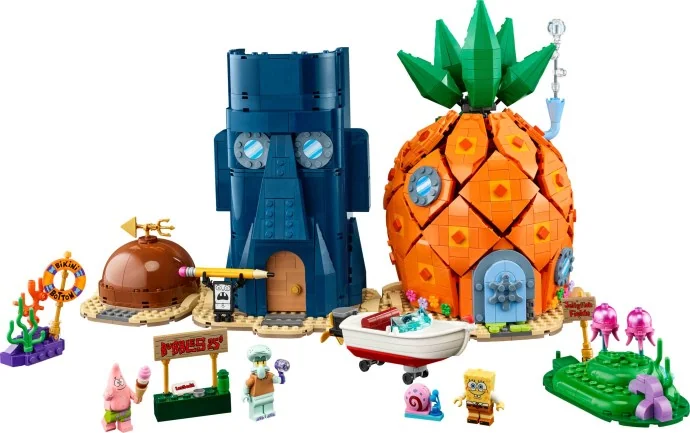
1. The price is the review (dominant). Across every September 2026 flagship, the top-weighted comment theme isn't the build — it's the MSRP. SpongeBob ($219.99): "favourite Lego set already but the price is terrible" (KaiTheGenshinGuy, r/LegoLeak). Enterprise ($199.99): "I love Star Trek, and I love Lego, but $200?!" Ministry of Magic ($449.99): launch lines went quiet — the most damning comment-section signal there is. Batmobile ($229.99, one minifigure): "I do love this but I'm gonna have to wait for a sale" (the "sigh of resignation"). E.T. ($139.99): the stepdown debate is really a price debate wearing a piece-count costume. The pattern holds across licenses, lines, and price points: the objects are liked; the prices are not.
2. Stickers as the moral complaint (strong second). The price backlash has a companion: the sticker count. Enterprise bridge (44 stickers), NINJAGO Old Town (63 at $300), Boba Fett and Darth Vader helmets, the Ministry's stickered details. The comment-section logic is consistent: at these prices, printing should be the default. Stickers read as the visible proof that the price isn't going into the product.
3. "Wait for the sale" as folk wisdom (strong third). The community's advice to itself is uniform: don't buy at launch. The Senna helmet at $75 (vs. $89.99 MSRP), the Doom bust's expected ~20% drop, the Botanicals street discounts — the comment sections have internalized the discount cycle and now preach it. Launch-day buying is treated as a character flaw.
4. The sellout exception (minority but real). Pokémon 72153 is the counter-theme: $649.99, one-per-customer, sold out repeatedly. Nobody in the comments calls it overpriced — they call it unavailable. Scarcity inverts the backlash entirely, which tells you the backlash isn't about absolute dollars. It's about value relative to availability and discount expectations.
5. Nostalgia as price anesthetic (minority). A consistent minority thread: the sets are worth it to me because of what they depict. The E.T. warmth, the Tintin devotion, the SpongeBob "peak" — affection doesn't erase the price complaint, but it coexists with it. The same commenter holds both feelings.
The dissent
The dissent is real but thin. Some commenters defend the pricing on cost grounds (licenses cost money; piece counts are high; inflation is real). The defense never becomes the dominant theme anywhere — it gets outvoted in every thread sampled. The other dissent: collectors who buy regardless, for whom the MSRP is scenery. They're a minority of commenters but a majority of launch-week revenue, which is the tension the entire backlash dances around.
The quietest signal
The Ministry of Magic deserves its own note. At $449.99, it's the most expensive September flagship — and its launch was met with something rarer than anger: silence. The comment sections didn't rage; they went quiet. In comment-section analysis, quiet is the most damning signal there is. Anger means the community still wants the thing and is negotiating. Silence means the price cleared the market of the conversation itself. The Ministry isn't being debated; it's being ignored. That's worse than a backlash — a backlash is engagement.
What the comments actually want
Read across the threads, the ask is specific and consistent — it's not "make it cheaper" in the abstract. It's: print the pieces instead of stickering them (the Enterprise's 44 bridge stickers are the exhibit A); price the launch MSRP closer to the street price the community already expects (the Senna helmet's $75 reality vs. $89.99 MSRP is the proof that the gap is real); and stop making the discount the product (the "wait for the sale" folk wisdom is a coping mechanism for a pricing strategy the community has reverse-engineered). The comment section isn't anti-LEGO — it's the most engaged customer base in the hobby telling the company exactly where the value leaks out. The nostalgia anesthetic proves the affection is intact. The price is the only thing being negotiated.
None detected. The sentiment is cross-source (Brickset, Reddit, Threads, blogs), cross-license (SpongeBob, Star Trek, Harry Potter, DC), and cross-price-point ($140–$650) — too distributed for coordination, too specific in its complaints (sticker counts, named discounts) for bots. This is organic.
Brigading and bot check
None detected. The sentiment is cross-source (Brickset, Reddit, Threads, blogs), cross-license (SpongeBob, Star Trek, Harry Potter, DC), and cross-price-point ($140–$650) — too distributed for coordination, too specific in its complaints (sticker counts, named discounts) for bots. This is organic.
The verdict
The comment section has rendered its verdict on September 2026, and it's a split decision: the sets are good, the prices are the story. The backlash isn't a rejection of the products — it's a negotiation. The community is telling LEGO, in every thread, that the launch MSRP is the opening bid and the street price is the real price. The sets that sell out (Pokémon) escape the negotiation; everything else gets haggled. The folk wisdom — wait for the sale — is now the community's default buying strategy, which means the backlash is already priced into buyer behavior. LEGO's move.
Sources
Named sources are cited in the text above; no direct source URLs were captured in this research pass.